Take your own online orders
Your site, your customers, your rules. And no commission.
A 30-minute video call at your convenience.
No commitment. All your questions answered.
- No commission on a single order
- Nobody emailing you about your own prices
- Online ordering, paid for up front
- A menu you can change yourself
- Click & collect
- Delivery only where you choose
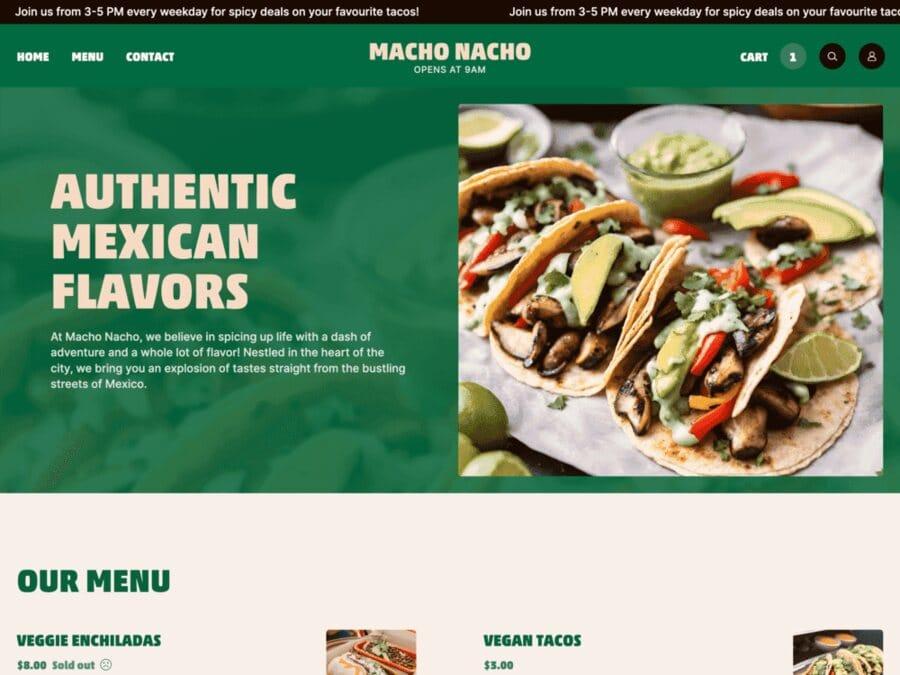
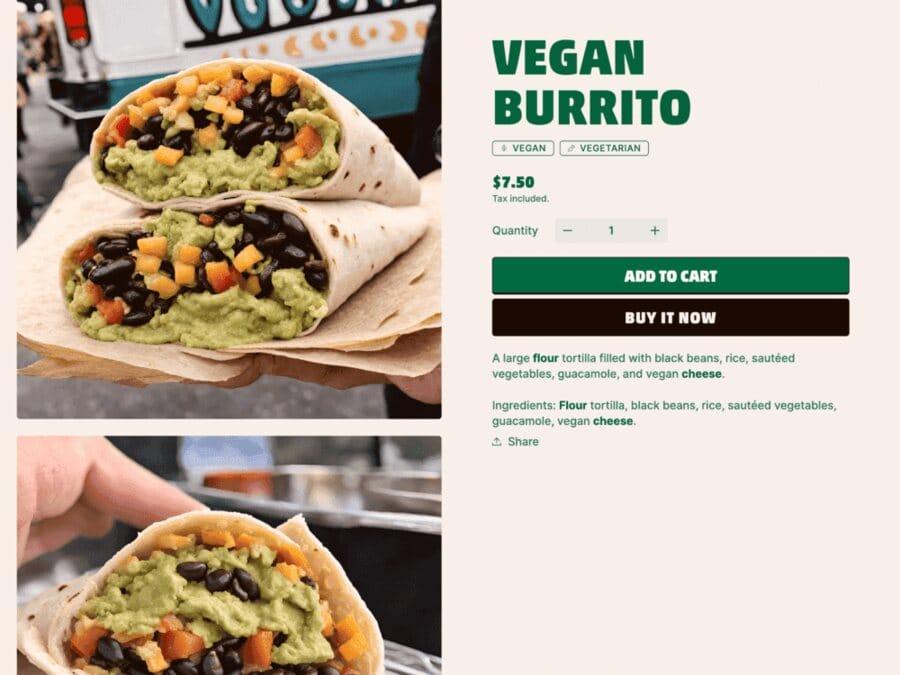
- Allergens and dietary tags on every dish
- Your opening hours respected
- Gift cards and table bookings
- Your website and EPOS on one system
- Get found on Google and in AI chats
- Anything else your place needs, built for you
The whole experience, already thought through
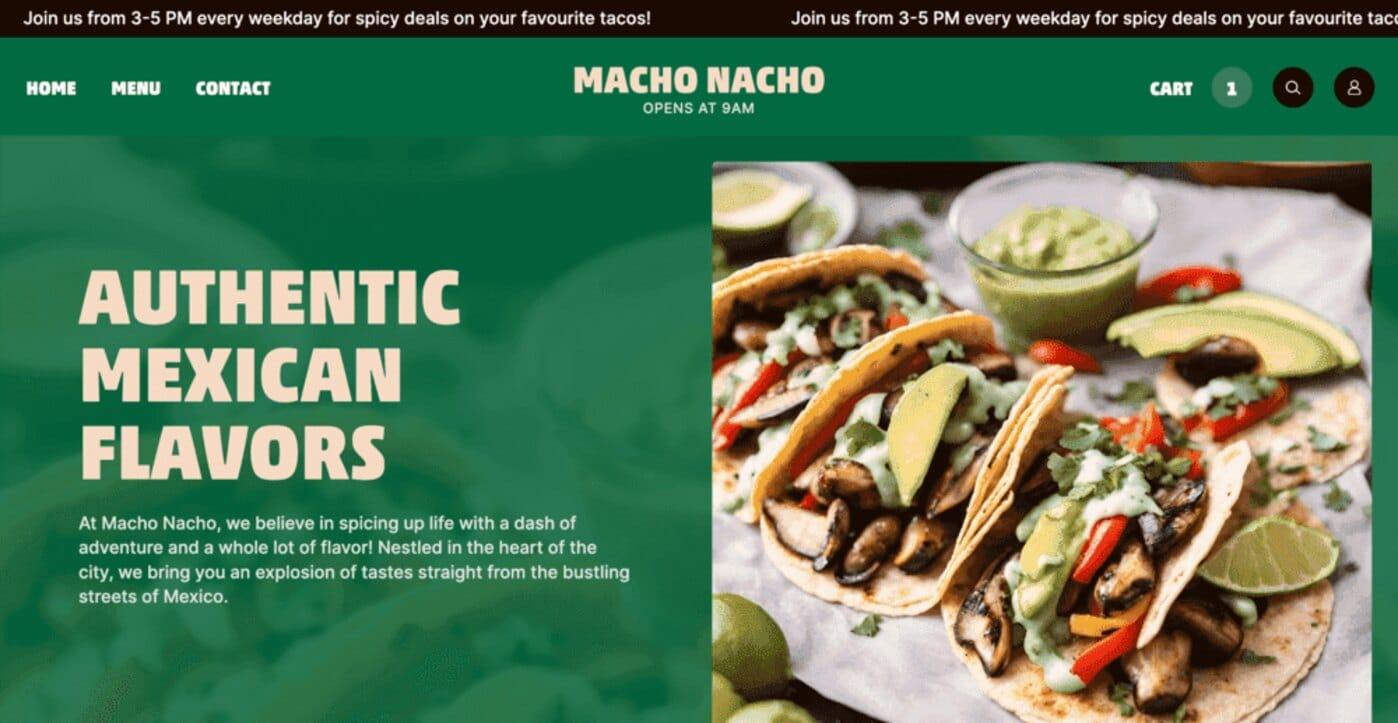
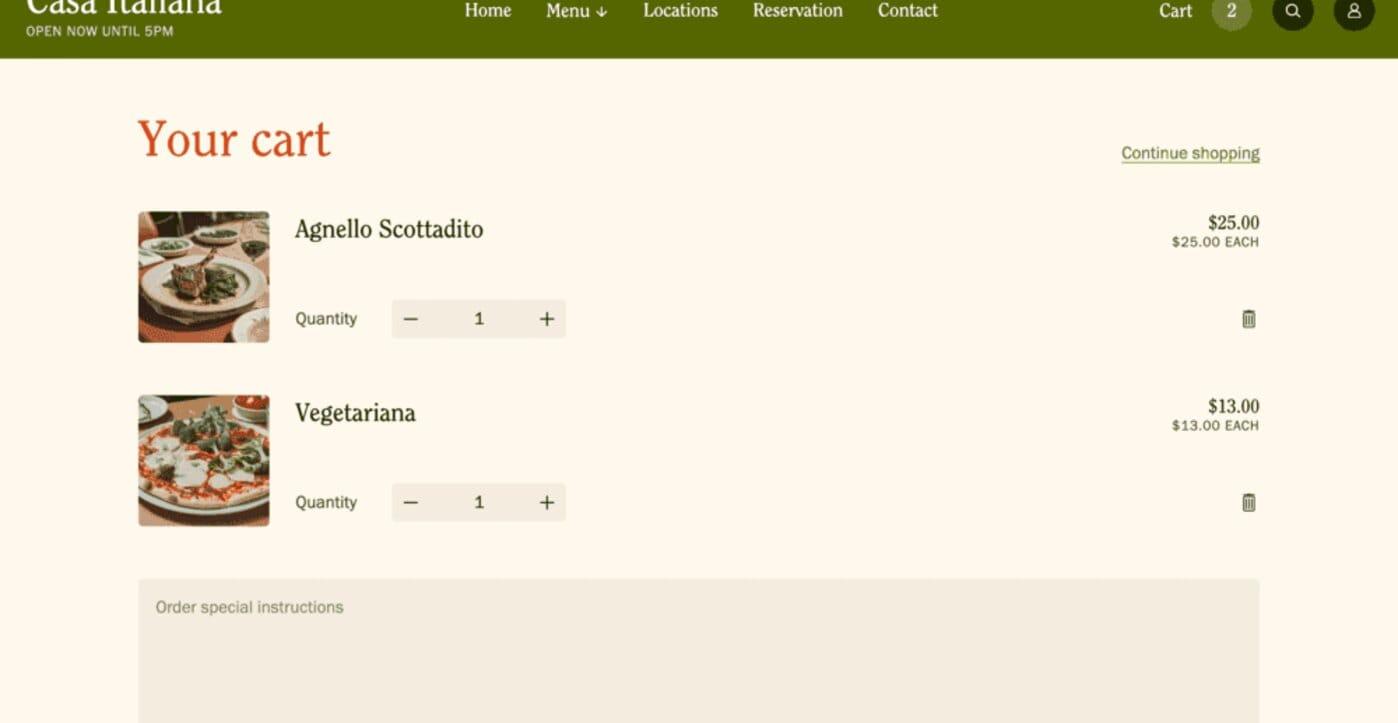
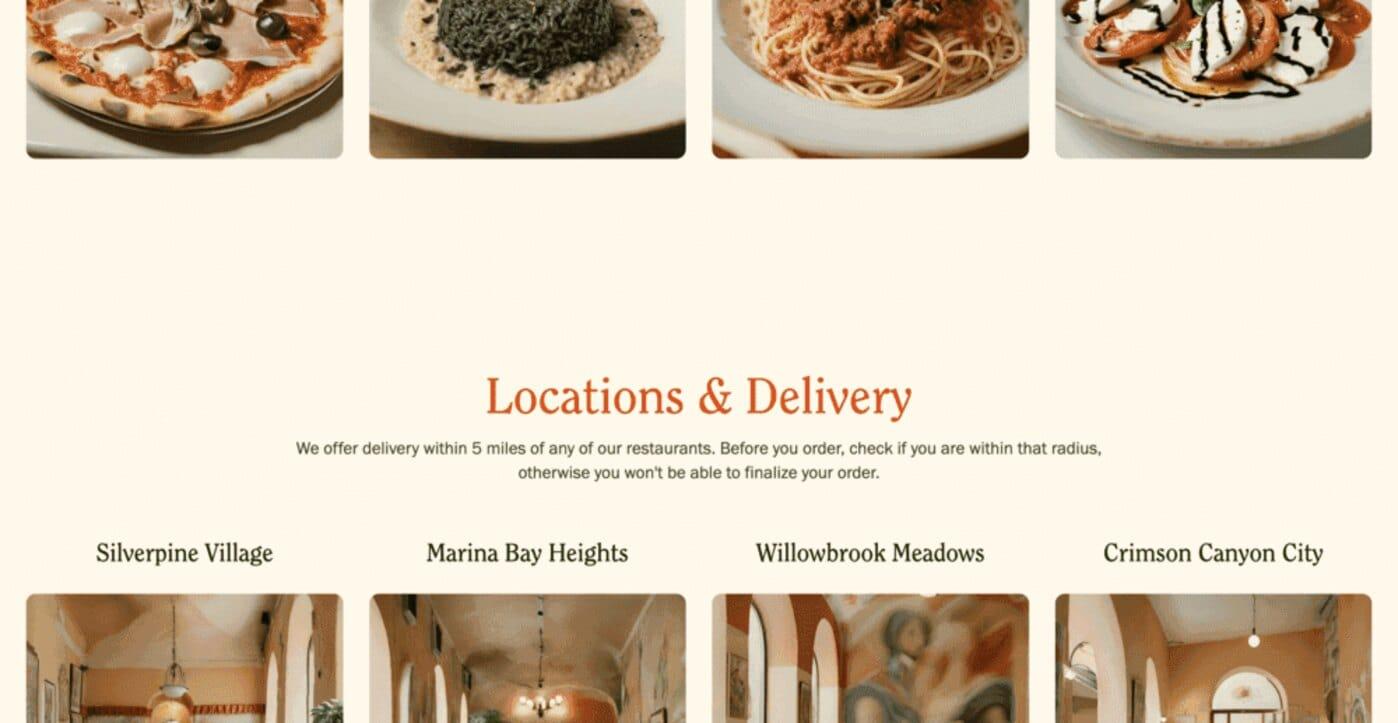
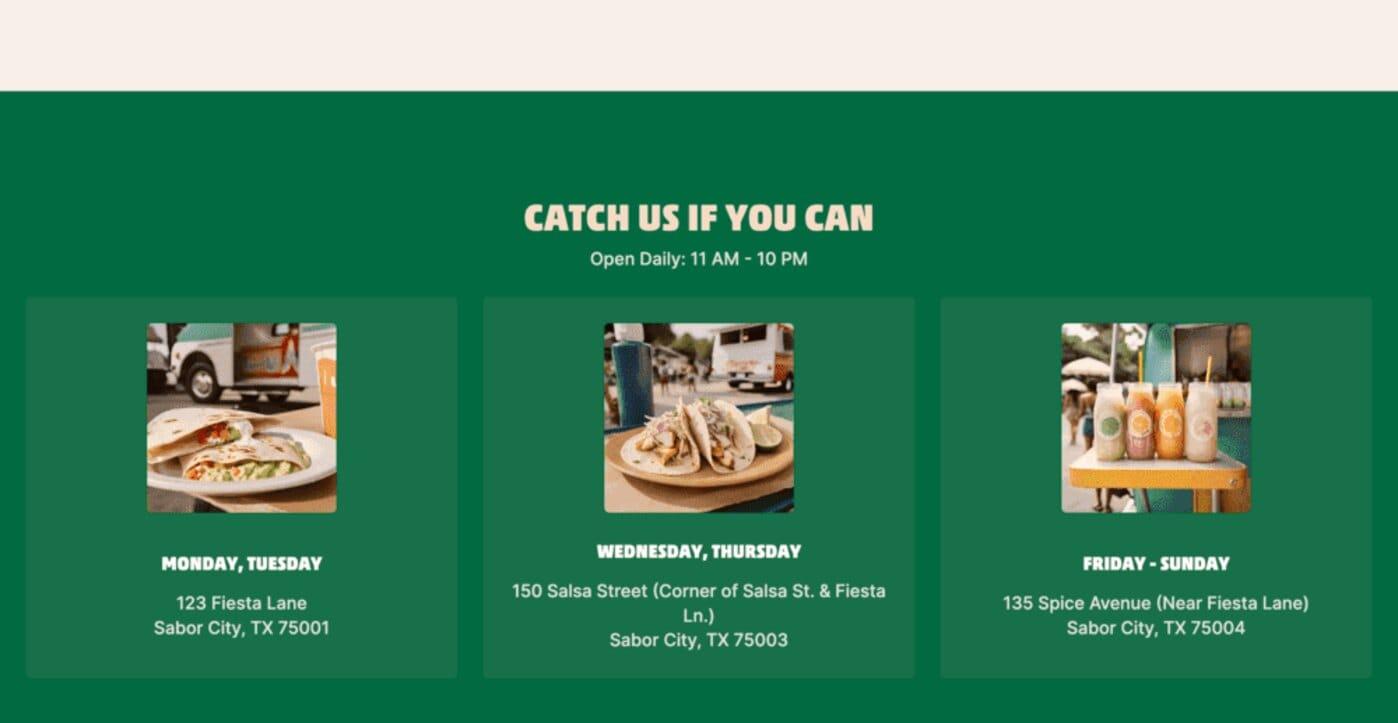
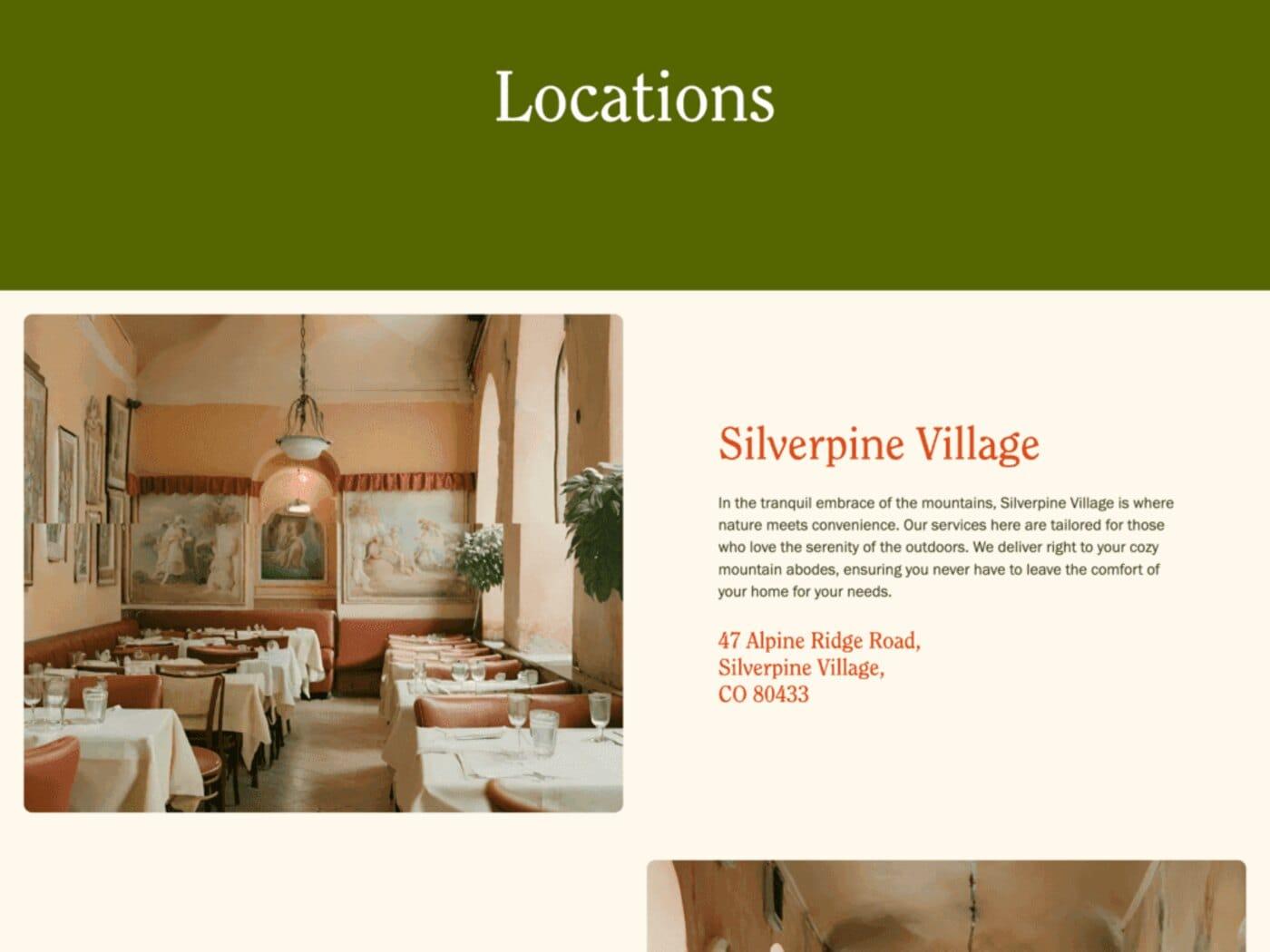
Get found, and keep the customer
If the only way to find you is through a delivery app, then being found costs you a cut of the order every single time — and the customer belongs to the app rather than to you. Your own site puts you in front of the same people searching, and the order comes straight to you.
- On Google when somebody nearby searches “takeaway near me”
- Inside ChatGPT when somebody asks it where to eat tonight
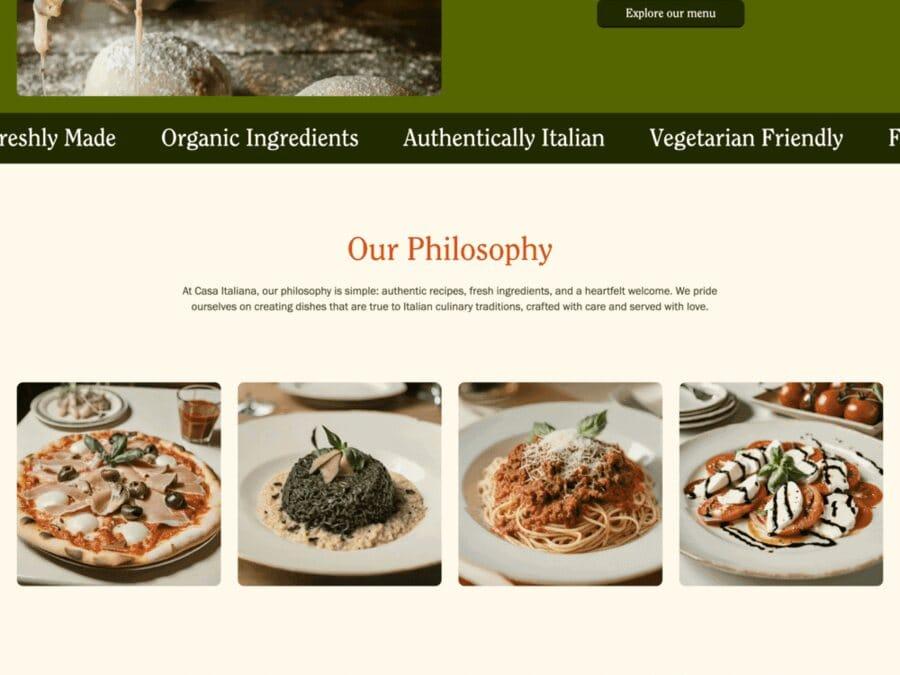
- Every dish on a page of its own, so specific searches land on you
- The customers who compare, and find your own price is the lower one
- The customer finds you, pays you, and is yours to tell about the next thing
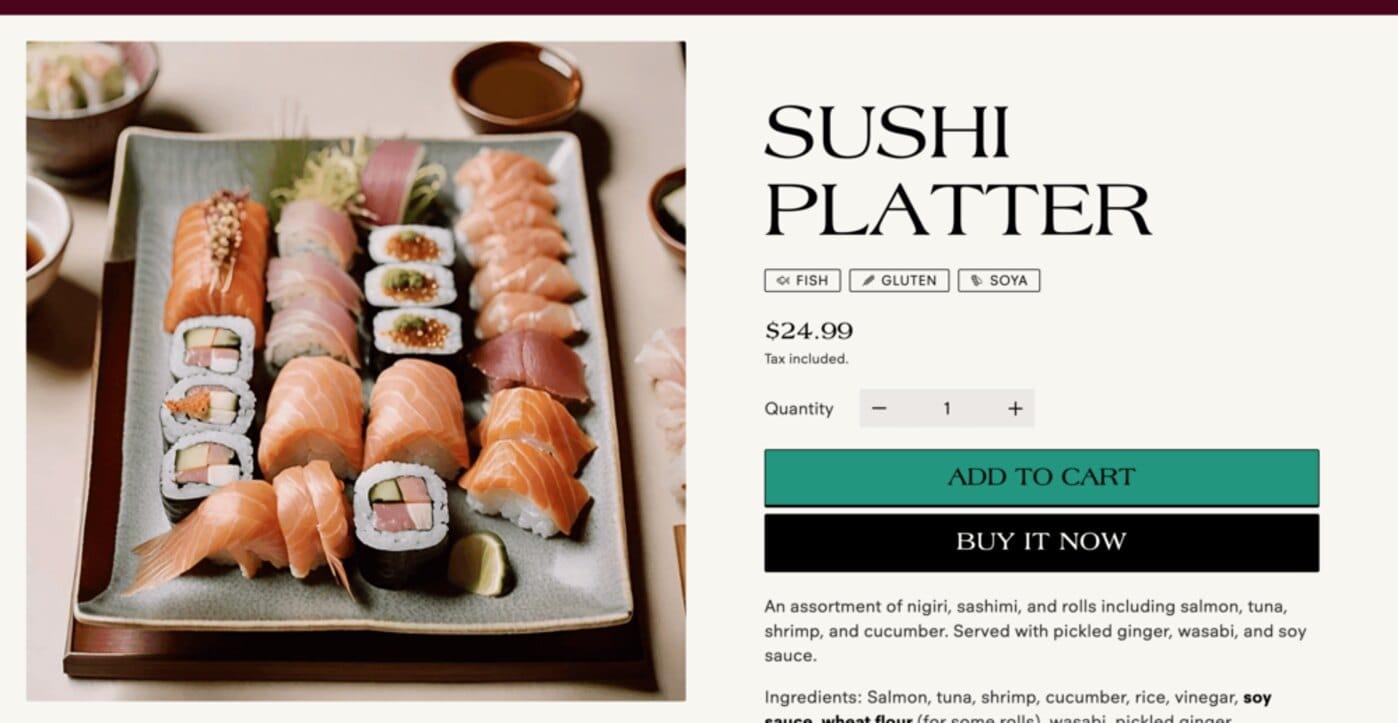
A menu that earns its keep
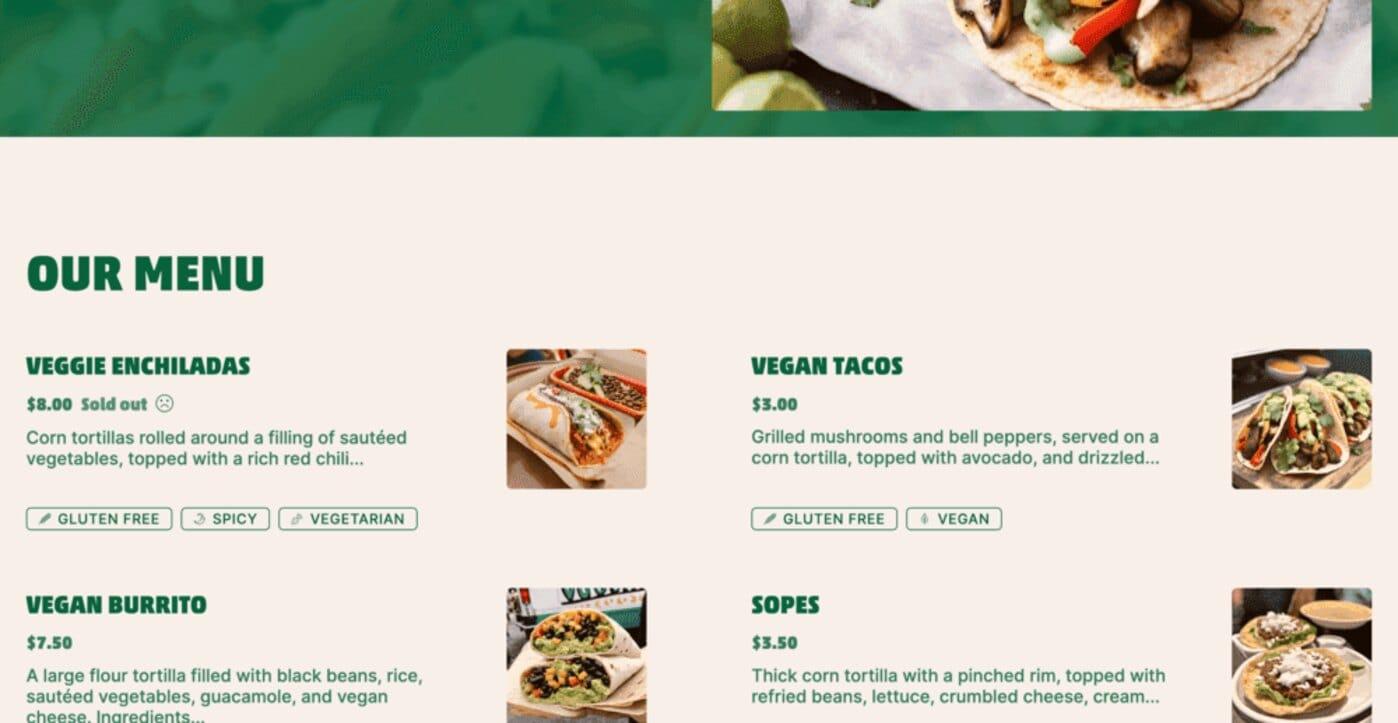
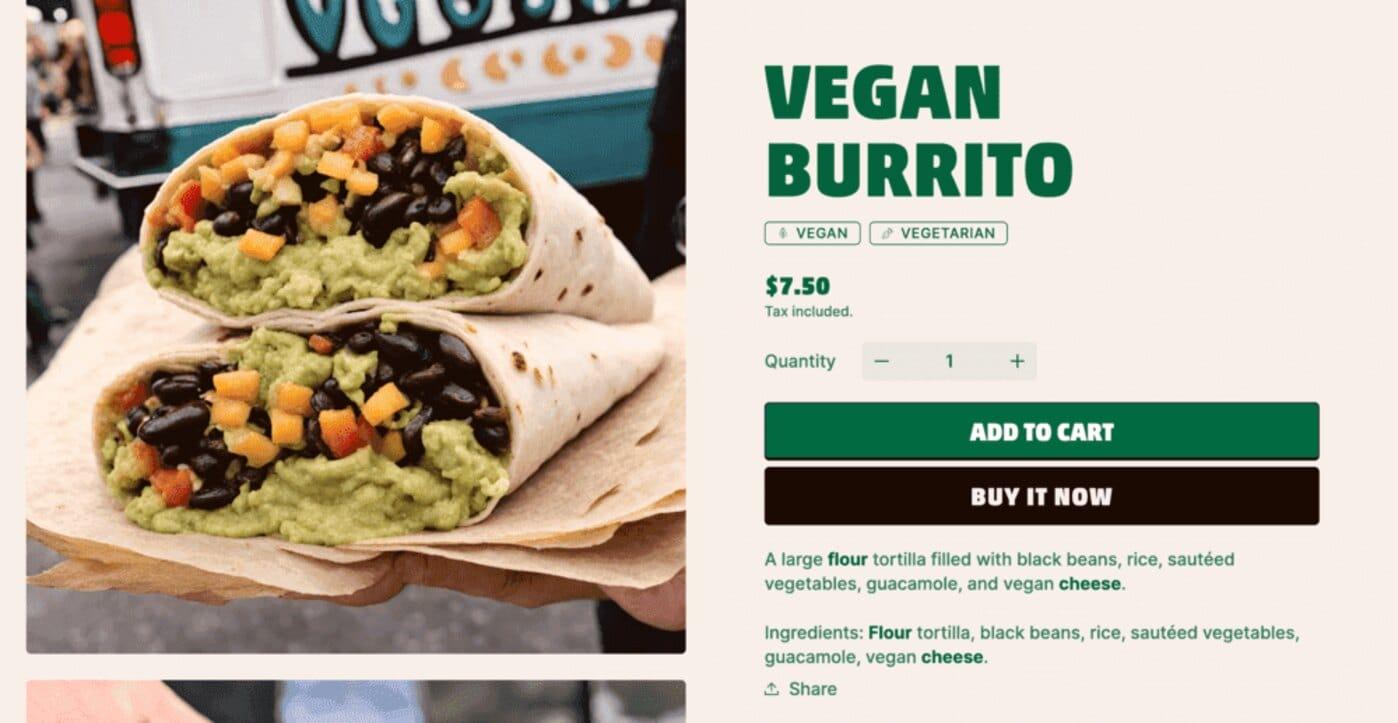
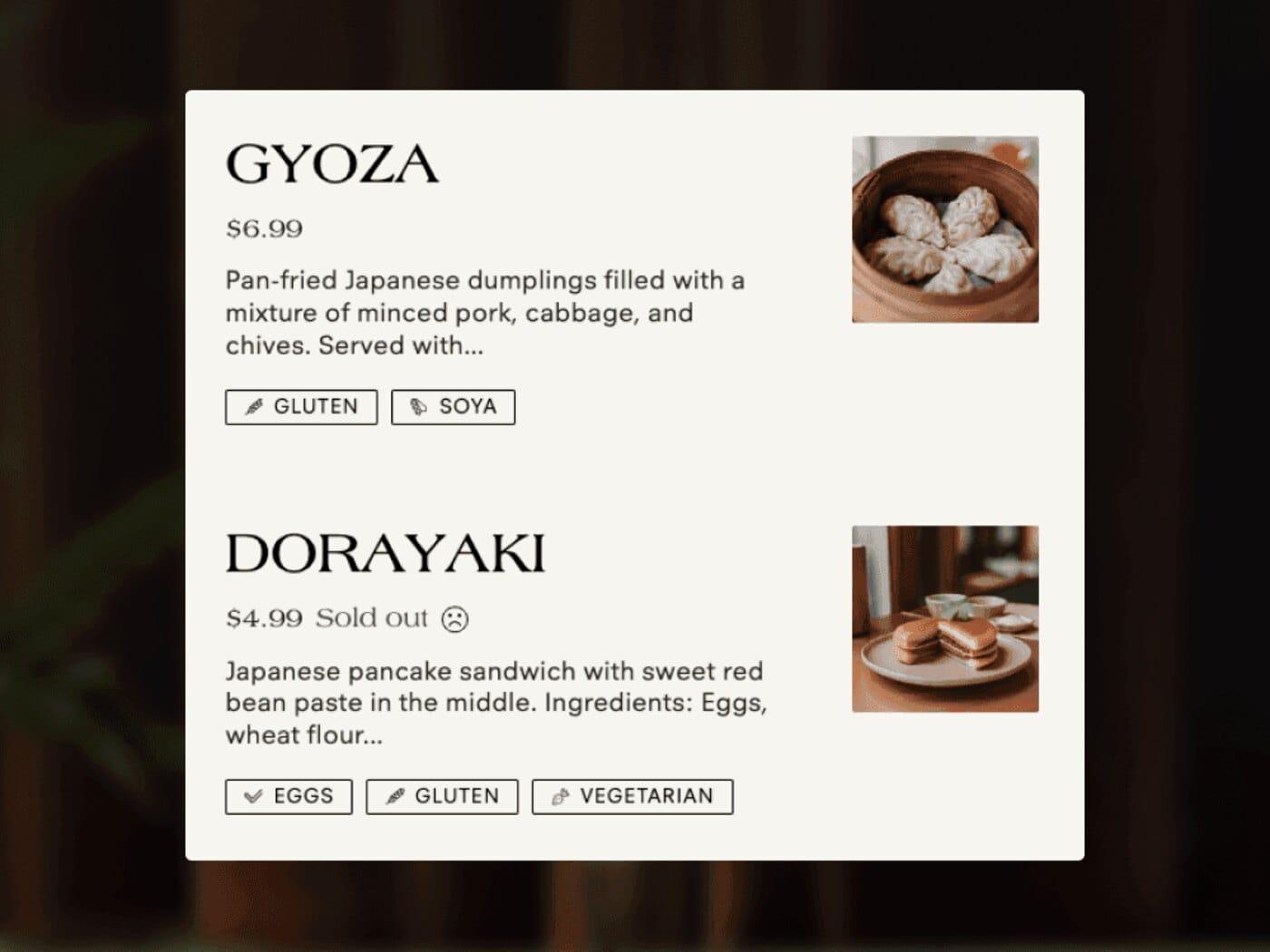
A menu as a PDF or a photograph is a dead end: Google cannot read it, phones cannot show it, and changing one price means exporting the whole thing again. Yours is built out of the dishes themselves — which is also what makes written allergen information possible before anyone orders, the way the Food Standards Agency now asks for.
- Change a price, add a special, take something off — from your phone, in a minute
- Prices on every dish, because a menu without them reads as hiding something
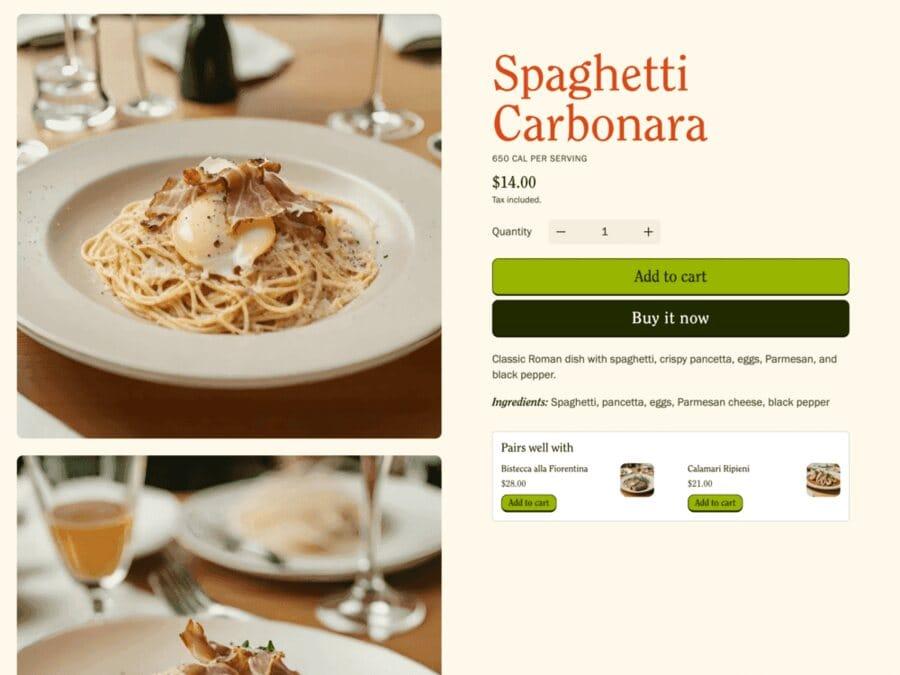
- Dietary and allergen tags on every dish, shown before anybody orders
- Ingredients and nutrition in a proper table, not a footnote
- Sold out means sold out, rather than an order you have to ring back about
It only takes the orders you can actually cook
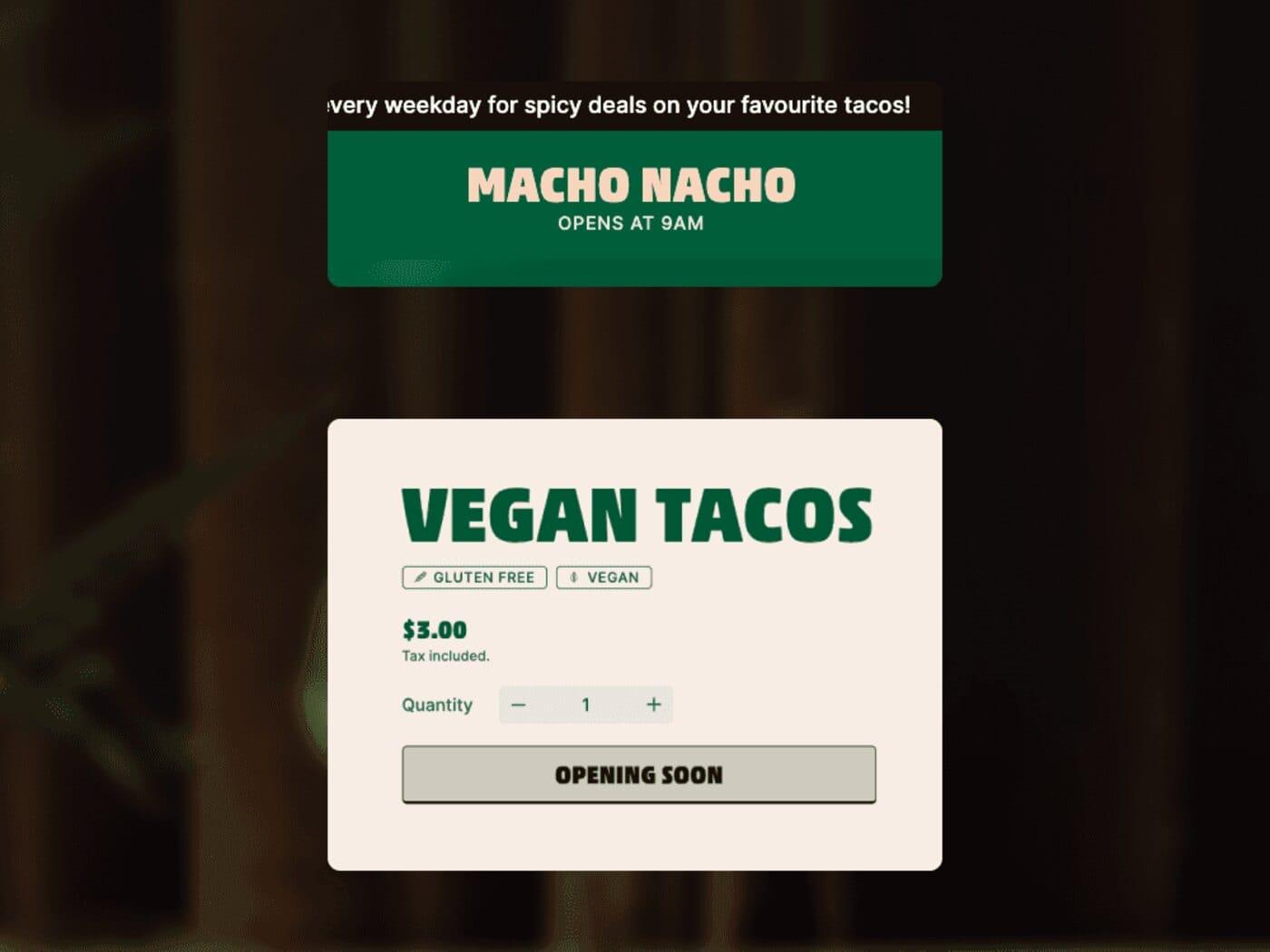
You set the hours you trade and the shop keeps to them. Nothing sells before you open or after the kitchen closes, so you are never reading an order at eleven for something nobody is going to make.
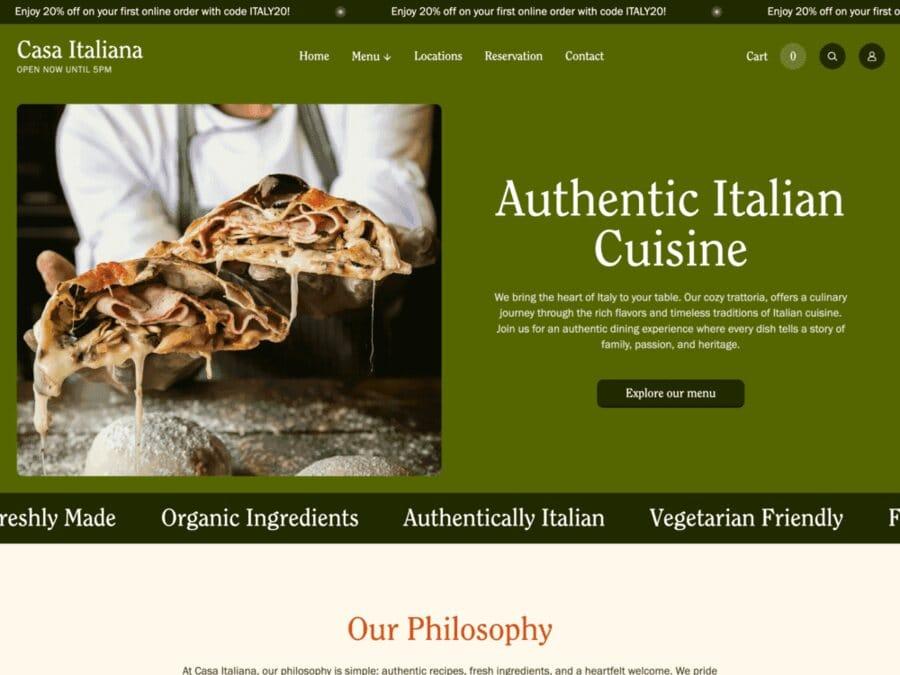
- Set your trading hours and ordering stops outside them
- A live “we’re back at 5pm” message instead of a dead end
- A countdown to last orders, running on the page
- Anything off tonight stops selling, rather than taking the order anyway
Your counter and your website on one system
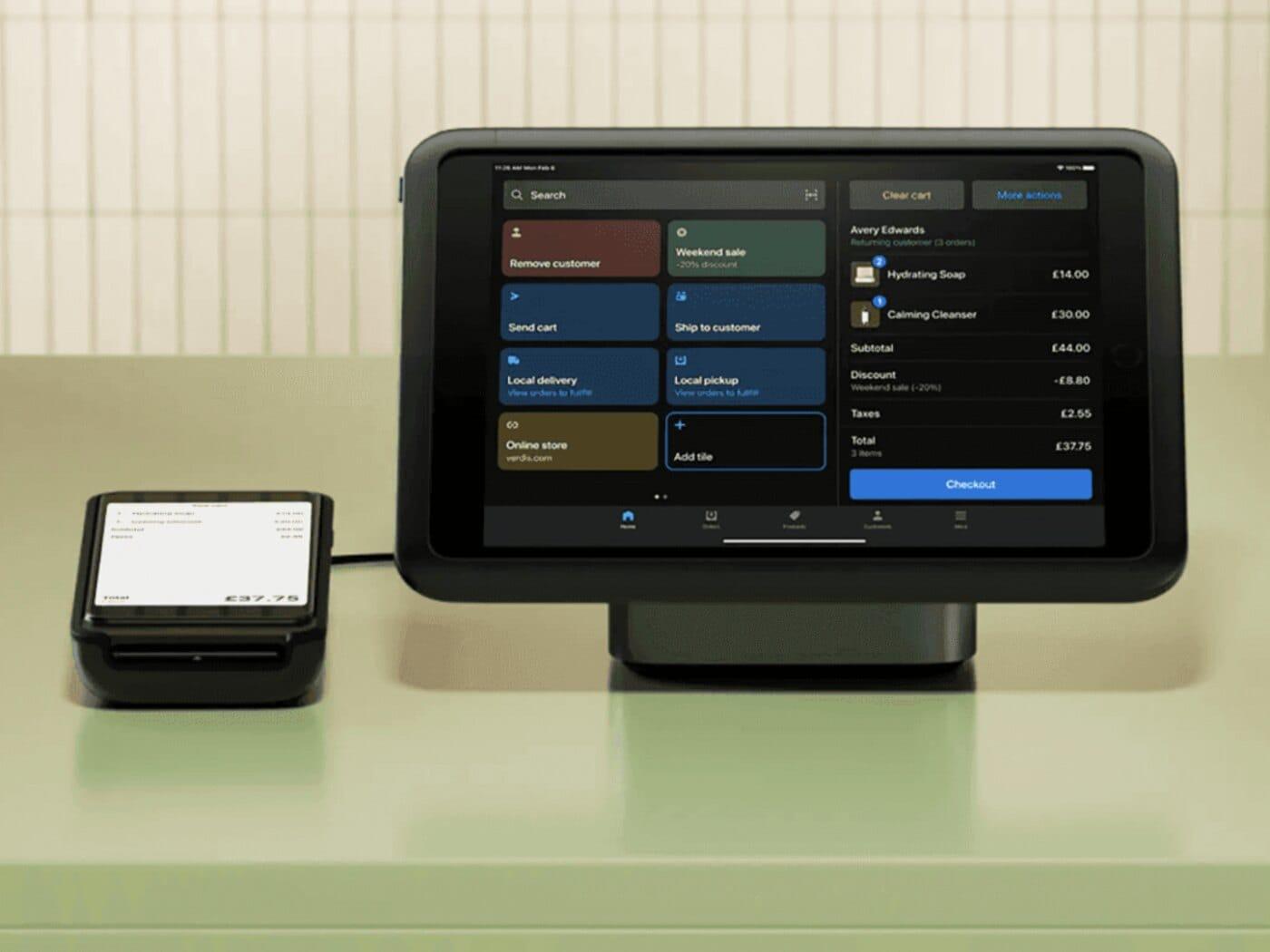
Most places bolt a website onto the EPOS they already have — two systems, two logins, and a sync that gives up on the busiest night of the year.
- Same menu, same prices, same customers, same day’s takings
- Collection orders come up at the till ready to hand over
- Gift cards sold at the counter and spent online, or the other way round
- One set of figures at the end of the night rather than three to reconcile
- Counter and takeaway service out of the box; a floor plan or a kitchen screen is a build rather than a setting
Bookings, gift cards and the orders worth having
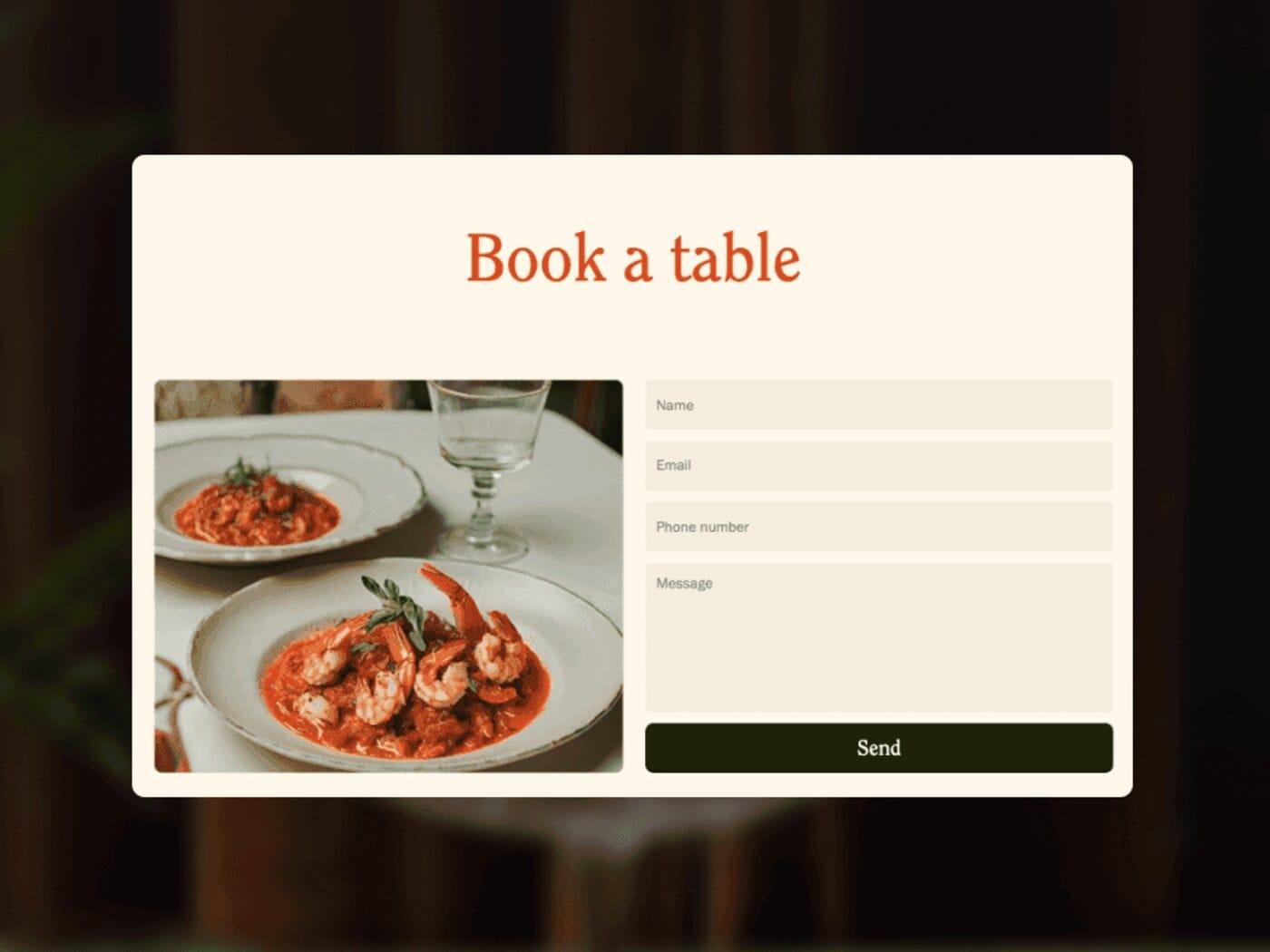
The things people ring up to ask about are the things most websites make them ring up to ask about. Each of these becomes a form or a product on your own site, and arrives written down instead of as a message taken during service.
- A table booking request that arrives with the date, the party size and a phone number
- Gift cards bought online, delivered by email, and redeemed at your counter
- Catering and large orders asked for properly, with your lead time attached
- Nobody writing an address on a receipt roll halfway through a shift
And whatever else your place needs
Everything above arrives as standard. The rest is a build, which is a question of what it costs rather than whether it is possible — these are the ones restaurants ask for most.
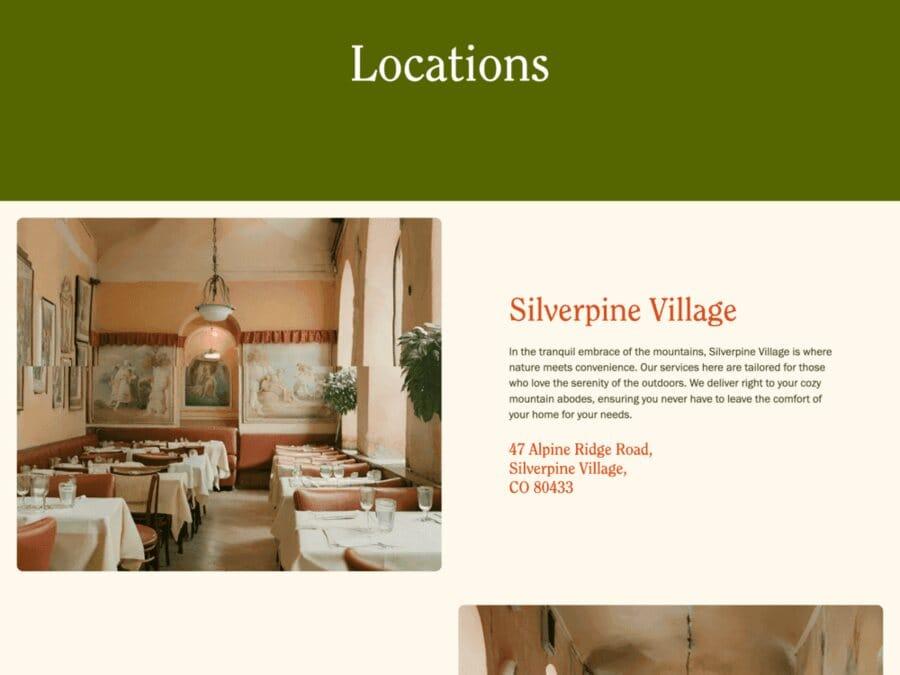
The dining room, if you have one
Tabs held open against a table, courses fired to a screen in the kitchen, tickets printing where the chefs can actually see them, a floor plan that knows what is seated. None of it comes as standard and all of it can be built.
Bookings that hold real covers
Past the enquiry form: a system that knows how many covers you have, stops two parties taking the same table, and lets somebody book at eight without you checking a diary. Worth it once the form starts costing you more time than it saves.
The thing only you do
The standing Friday order, the set menu that changes weekly, the deposit for parties over eight, the regular who always wants it without coriander. Bring the awkward one to the call — it is usually the part that makes the site worth having.
Built on cutting-edge technology
Your website will be built on a world-class platform that is being pushed forward constantly, and that millions of businesses already rely on every day. New possibilities keep on coming, and keep you one step ahead of the place down the road.
Powering millions of websites
From single sites to names you would recognise. Scale like that means it is worked on and tested constantly, and it holds up on a Friday night when everybody orders at once.
It keeps getting better
New capabilities land on the platform all the time, and you can make use of them as they arrive. So when something new becomes possible, you can have it early, while others are still catching up.
Already inside AI chats
What you sell on this platform can already turn up inside ChatGPT. Somebody can ask an assistant what to order nearby and find you there, without ever opening a browser.
Whatever you need next
Thousands of add-ons sit on top of it, and developers all over the world keep adding more every day. Add what your business needs, faster than ever.
Keep what you sell
Go direct and the order is yours, and so is the money. Nobody in the middle, and nobody taking a cut.
No commission, ever
Just Eat, Deliveroo and Uber Eats publish commission of up to 30% on an order — taken before you have paid for the food, the gas or the staff. It is why the same dish so often costs more on an app than at your own counter: the cut has to come from somewhere. We take none of it. An order placed on your own site costs you card processing, from 2% and 25p, and nothing else unless you choose to add an app that charges per sale.
The customer list is yours
A delivery app will not tell you who ordered. You get an order number and whatever is left of the money. On your own site you get a name, an email and what they ordered — so telling 400 regulars about a new menu is something you do on a Tuesday morning, not something you buy.
What it costs
What you pay depends on which features you choose and how much of the work you would like us to do. No hidden charges, and no fee that turns up after you have signed — every figure is in writing before any work starts, and the demo costs nothing either way.
The demo
Free
A 30-minute video call, on the parts that matter to you the most. No card, no contract.
No charge, either way
Ongoing monthly cost
from £19
Per month when billed yearly. The lowest this can be — hosting, the checkout and the till app for your counter are all included. It rises with the ongoing services and features you choose.
Monthly or yearly, cancel any time
Set it up yourself
from £165
A ready-made restaurant template you can edit yourself. You add your own dishes, prices and photographs, at your own pace. The route for anyone whose budget will not stretch to a custom build.
One-time
We set it up for you
from £1165
We do the work: your menu listed with its tags and prices, your hours and delivery area set, and the whole look of the website made yours. It rises with the additional features you choose and how much you hand over to us.
One-time
Still not sure?
What actually happens on the call?
A video call on Google Meet — we send you a link, you click to join, nothing to install. We share our screen and walk through a restaurant website working, with a focus on the parts you tell us matter most. You ask whatever you want. At the end we will tell you honestly what we think is worth doing for your place, and roughly what it would cost. Thirty minutes of real talk, no slides. Join on a computer rather than a phone if you can — there is a lot to see on the screen and it is much easier to follow on a bigger one.
Who will I be talking to?

Ewa Morriss — the person who will build your website, not a salesperson who you’ll never see again. Ewa has a software engineering degree and over a decade of professional design and development experience, including working with big British brands like the BBC, John Lewis, Barclaycard, Topshop, River Island, New Look and Yodel. These days that experience goes into websites for independent retailers all over the world.
Do I have to stop using Just Eat, Deliveroo or Uber Eats?
No, and we would not tell you to. The apps are good at one thing: putting you in front of somebody who has never heard of you. Paying commission to be discovered is a fair trade. Paying it for the fourth order from a regular who already knows your name is not — and that is the order your own site is for. Most places that do well run both: the apps to get discovered, direct for the regulars.
Why not just use Squarespace or Wix?
If what you need is a menu, your hours and a contact form, they will do that and they will do it for less. We would rather say so here than halfway through a call. The difference starts when you want the order itself, and not just the enquiry. Taking the money on your own site means the menu has to be live — tied to what is actually on tonight, closing when you close, carrying the allergen tags before anybody orders, and sharing one set of prices and one customer list with your counter. On a site builder most of that is a separate add-on to buy and wire together, where it exists at all. Here it comes with the platform, and so does the thing you are left holding afterwards: a list of people who have ordered from you.
Am I committed to anything by booking a demo?
No. It is a 30-minute video call, free, with no obligation at either end. If you want to go ahead we will talk through the options then. If you do not, that is genuinely fine.
Can I change the menu myself once it is live?
Yes, and this is the part worth getting right. Prices move, specials change and things run out, and a website you have to email somebody about is a website that goes stale within a month. Yours is edited from your own admin, on a phone if that is what is to hand — change a price, add a dish, mark something off for tonight. If you would rather hand that over, we can look after it for you instead.
Can it take table bookings?
A booking request form comes as standard — the date, the time, the party size and a phone number, arriving in your inbox for you to confirm. That is enough for most places and it is the honest description of what you get without asking for anything else. A live system that holds a floor plan, seats people against real covers and stops you double-booking is a different thing, and it is a build rather than a switch. We do those. Tell us on the call how your bookings actually work now and we will price the version you need rather than the version we happen to have.
Will it replace the system I use at the counter?
For counter and takeaway service, usually yes, and with nothing custom built — the till app comes with the platform, runs on a tablet, and shares one menu and one set of customers with the website. Full table service asks for more: tabs held against a table, courses fired to a screen in the kitchen, tickets printing where the chefs can see them. None of that is standard, all of it can be built, and the cost depends on how much of it you need. Some places take the counter and the website now and keep their dining room on what they have until it is worth doing properly. We will tell you which of those you are on the call.
What does it cost?
The platform your site runs on starts at £19 a month, ongoing. Setting it up is a one-off: £1165 and up if we do it for you, depending on how much you hand over — or £165 for the design on its own if you would rather set it up yourself. We give you a detailed quote with all costs explained before you agree to go ahead, and the call itself costs nothing whether or not you do.
Do I need to set anything up before the call?
No. Nothing to install, nothing to sign up for, no card. Come as you are — it helps if you have a menu to hand and a vague idea of what your budget is, but even that can wait.
Who looks after it once it is live?
We do, if you want us to. Seasonal menus, new dishes, holiday hours, anything that needs doing — handled for you as part of ongoing support, so it is not one more job at the end of a long shift. And if you would rather take the controls yourself, you can: it is your site, and most of it can be changed from your own admin panel without touching code.
See it in action
A 30-minute video call at a time that suits you. We will walk you through a working restaurant website, focus on whatever matters most to your place, and answer any questions you might have.